

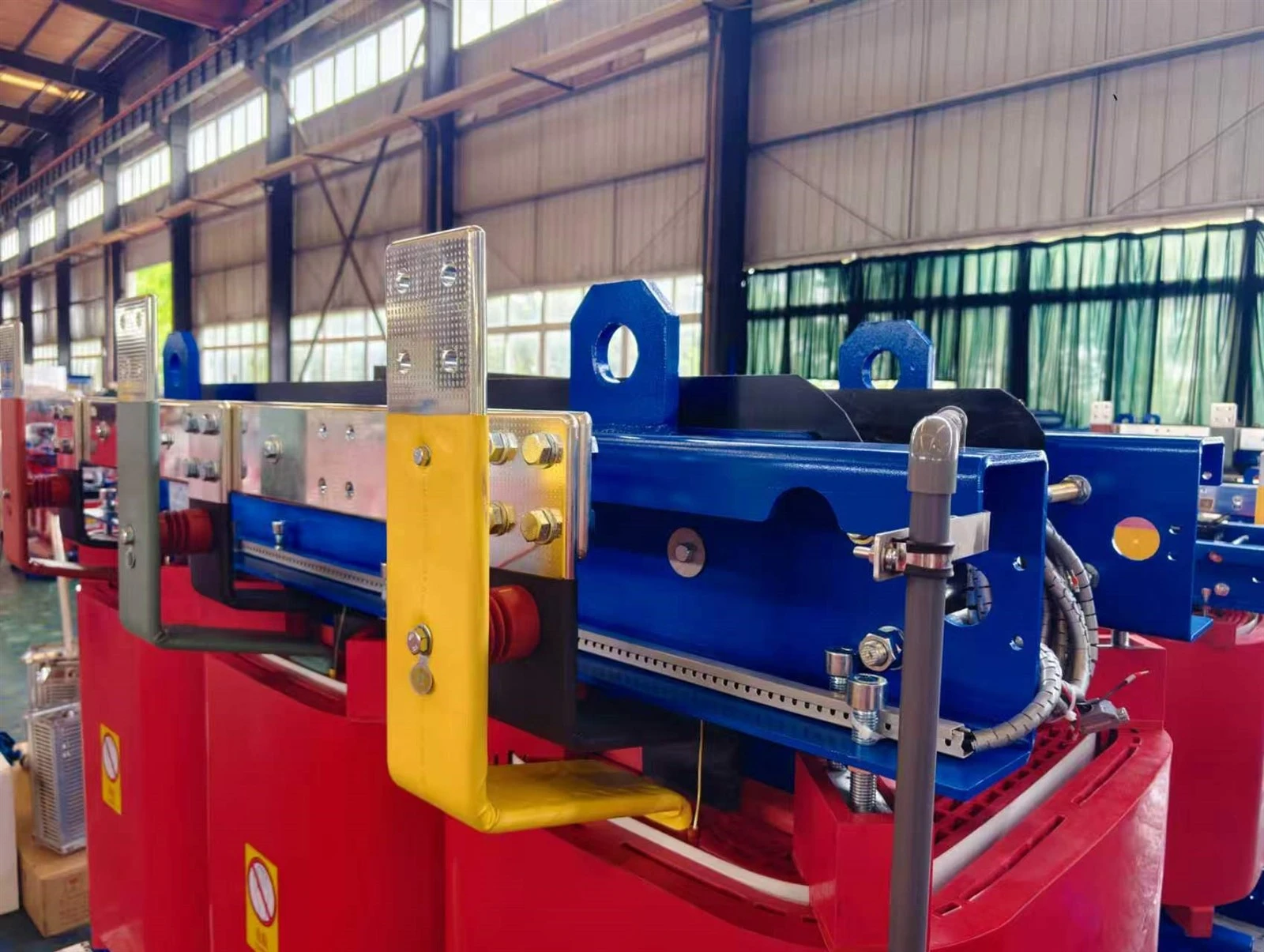
The core of this standards update lies in the tightening of loss metrics. For commonly used distribution transformers, equipment meeting the "Level 1" energy efficiency standard-the highest tier-features a 15%–25% reduction in no-load losses and a 10%–20% reduction in load losses compared to previous standards, leading to significantly improved energy savings during long-term operation. Notably, amorphous alloy transformers and those utilizing advanced high-permeability silicon steel sheets can easily achieve this Level 1 rating, making them the preferred choice for energy-saving projects.
In terms of project application, Level 1 energy-efficient transformers are now mandatory for key municipal infrastructure, new energy power plants, projects undertaken by state-owned or centrally-administered enterprises, and energy-efficiency retrofitting initiatives. For standard industrial facilities and smaller-scale civil projects, a minimum of "Level 3" energy efficiency is required. Equipment that fails to meet these new standards will not pass final project inspections or energy-efficiency compliance filings.
While some clients express concern over the higher initial procurement costs of Level 1 transformers, they actually offer superior overall value. Although the upfront investment is 10%–30% higher, the exceptionally low operating losses lead to substantial savings on electricity costs; the price premium is typically recovered within 2 to 5 years. Over a 30-year lifecycle, these units generate significant energy-cost savings while ensuring compliance with national "green" energy and "dual-carbon" (carbon peaking and carbon neutrality) policies-aiding in project evaluations and applications for energy-efficiency subsidies.
For international trade, the GB 20052-2024 standard is increasingly aligned with international IEC energy efficiency standards. This allows high-efficiency, domestically manufactured transformers to better meet the requirements of overseas energy-saving project tenders, thereby enhancing export competitiveness. Moving forward, low-loss, high-efficiency transformers are set to fully replace traditional, high-consumption equipment, becoming the industry standard.


