


What are the lightning protection measures for a compact substation?
As a reputable supplier of Compact Substation, I understand the critical importance of lightning protection for these vital electrical infrastructure components. Lightning strikes can cause severe damage to compact substations, disrupt power supply, and even pose risks to personnel and surrounding areas. In this blog post, I will delve into the various lightning protection measures that can be implemented to safeguard compact substations.
Understanding the Lightning Threat
Lightning is a powerful natural phenomenon that releases a massive amount of electrical energy in a very short time. When a lightning strike occurs near or directly on a compact substation, it can lead to several issues. The high - voltage surge from the lightning can cause insulation breakdown in transformers, circuit breakers, and other electrical equipment. This can result in short - circuits, equipment failure, and subsequent power outages. Additionally, the electromagnetic fields generated by lightning can induce voltages in control and communication cables, potentially damaging sensitive electronic components.
External Lightning Protection Systems
Lightning Rods
Lightning rods are one of the most well - known and widely used external lightning protection devices. They are installed at the highest points of the compact substation structure. The principle behind a lightning rod is to provide a preferred path for the lightning current to follow. When a lightning cloud approaches, the lightning rod, being the highest conductive point, attracts the lightning strike. The current then travels down the lightning rod and into a grounding system, safely dissipating the energy into the earth.
For a compact substation, multiple lightning rods may be required depending on its size and shape. They need to be strategically placed to ensure complete coverage of the substation area. The lightning rods should be made of highly conductive materials such as copper or aluminum, with a sufficient cross - sectional area to carry the large lightning current without overheating.
Franklin Bells and Early Streamer Emission (ESE) Systems
Franklin bells are an early form of lightning protection device that can be used in conjunction with lightning rods. They are designed to detect the presence of an approaching thunderstorm and provide an early warning. ESE lightning protection systems, on the other hand, are more advanced. These systems aim to emit an upward streamer earlier than a normal lightning rod, increasing the probability of intercepting the lightning strike. ESE systems consist of a top electrode, an ionization chamber, and a grounding conductor.
Surge Protection Devices (SPDs)
Low - Voltage Surge Protectors
In a compact substation, low - voltage surge protectors are installed at the entrance of the low - voltage distribution system. These devices are designed to limit the voltage spikes caused by lightning surges. When a surge occurs, the low - voltage surge protector diverts the excess current to the ground, protecting the connected electrical equipment such as control panels, sensors, and small appliances.
Medium - Voltage Surge Arresters
Medium - voltage surge arresters are crucial for protecting the major electrical components in the compact substation, such as transformers and switchgear. They are typically installed between the medium - voltage line and the ground. When a lightning surge hits the medium - voltage line, the surge arrester provides a low - impedance path for the surge current to flow to the ground, while maintaining the normal operation of the electrical system under normal voltage conditions. The surge arresters should be regularly tested and maintained to ensure their proper functioning.
Grounding Systems
Proper Grounding Design
A well - designed grounding system is essential for effective lightning protection in a compact substation. The grounding system provides a low - resistance path for the lightning current to dissipate into the earth. It should consist of grounding electrodes, such as ground rods or ground plates, and grounding conductors that connect the electrical equipment to the grounding electrodes.
The grounding electrodes should be buried deep enough in the soil to ensure good electrical contact. The soil resistivity also plays a crucial role in the performance of the grounding system. In areas with high soil resistivity, additional measures such as using grounding enhancement materials or multiple grounding rods may be required.
Bonding
Bonding is the process of connecting all metallic parts of the compact substation together. This includes the enclosures of electrical equipment, support structures, and grounding conductors. Bonding ensures that all conductive parts are at the same electrical potential during a lightning strike, preventing the occurrence of dangerous potential differences that could cause electric shocks or equipment damage.
Shielding
Metal Enclosures
Compact substations often have metal enclosures. These enclosures can act as a form of shielding against lightning - induced electromagnetic fields. The metal enclosure acts as a Faraday cage, which can reduce the penetration of the electromagnetic fields into the interior of the substation. This helps protect the sensitive electronic components inside the substation from the harmful effects of electromagnetic interference.
Cable Shielding
For the power and control cables in a compact substation, shielding is also important. Shielded cables have a conductive layer around the insulated conductors. This shield can be grounded, and it helps to divert the induced currents from lightning - generated electromagnetic fields to the ground, protecting the signals and power transmitted through the cables.
Monitoring and Maintenance
Regular Inspections
Regular inspections of the lightning protection components in a compact substation are necessary. This includes checking the condition of lightning rods, surge arresters, and grounding systems. Any signs of damage, such as corrosion, cracks, or loose connections, should be addressed immediately.
Testing
Periodic testing of the surge protectors and grounding systems is also crucial. For surge arresters, tests can be conducted to measure their leakage current and residual voltage. For grounding systems, the ground resistance should be measured regularly to ensure that it remains within the acceptable range.
Conclusion
In conclusion, lightning protection for a compact substation is a comprehensive and multi - faceted task. By implementing a combination of external lightning protection systems, surge protection devices, proper grounding, shielding, and regular monitoring and maintenance, we can significantly reduce the risk of damage caused by lightning strikes.

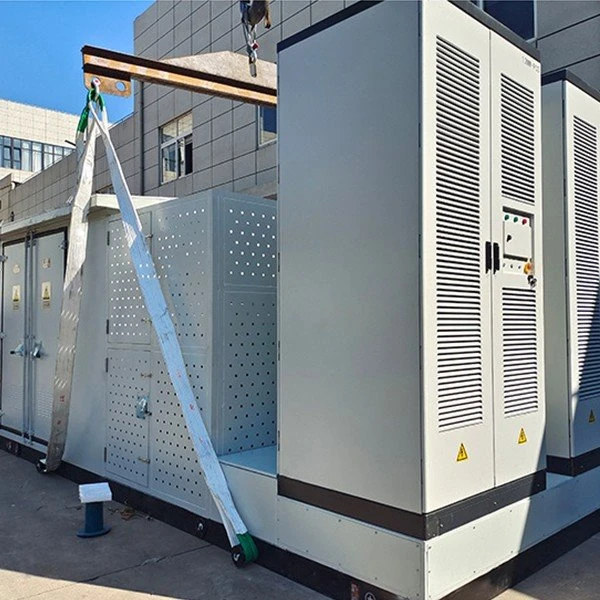
As a supplier of Compact Substation, we also offer Prefab Substation, Wind Solar Power Compact Substation, Pad Mounted Transformer and Energy Storage Inverter Integrated Machine. Our products are designed with the highest standards of lightning protection in mind, ensuring reliable and safe operation.
If you are in need of a compact substation or have any questions about lightning protection measures, please feel free to contact us for further discussion and procurement options.
References
National Fire Protection Association (NFPA). NFPA 780: Standard for the Installation of Lightning Protection Systems.
IEEE Standards Association. IEEE 998: Guide for Surge Voltages in AC Electric Power Systems.


